
Frequently Asked Questions About Logistics
Logistics is the backbone of modern supply chains, encompassing the planning, implementation, and control of the efficient movement and storage of goods, services, and information from origin to consumption. Whether you're a business owner shipping products globally or a consumer wondering how packages arrive on time, understanding logistics can demystify the complex world behind everyday deliveries. In this FAQ-style guide, we'll address common questions about logistics, drawing on innovative solutions like container stacking, advanced freighter aircraft, and heavy-duty trucks that streamline operations.
What Is Logistics and Why Is It Important?
Logistics refers to the coordinated process of transporting, storing, and managing goods to ensure they reach their destination efficiently and cost-effectively. It's crucial for businesses because it directly impacts customer satisfaction, reduces operational costs, and enhances competitiveness in a global market. For instance, poor logistics can lead to delays, increased expenses, and lost revenue, while effective logistics, such as using standardized shipping containers, optimizes space and speeds up transit. Companies rely on logistics to handle everything from raw materials to finished products, making it indispensable in industries like e-commerce, manufacturing, and retail. By integrating technology and robust infrastructure, logistics ensures seamless connectivity across supply chains, adapting to challenges like fluctuating demand or international regulations.
How Do Shipping Containers Revolutionize Logistics?
Shipping containers are a cornerstone of modern logistics, offering durability and versatility for global transportation. Constructed from high-quality steel, these containers withstand harsh conditions during sea, rail, or road journeys, with standardized dimensions ensuring compatibility across transport modes. Their stacking capability maximizes warehouse and yard efficiency, allowing businesses to store more without expanding footprints. In logistics, this means faster loading and unloading, reducing turnaround times and minimizing errors. Vibrant colors add a branding element, turning functional storage into a visual asset. Innovations like the Container Stack solution highlight how logistics evolves, providing flexibility for diverse cargo—from electronics to machinery—while promoting sustainability through reusable designs that cut down on waste.
What Role Do Freighter Aircraft Play in Logistics?
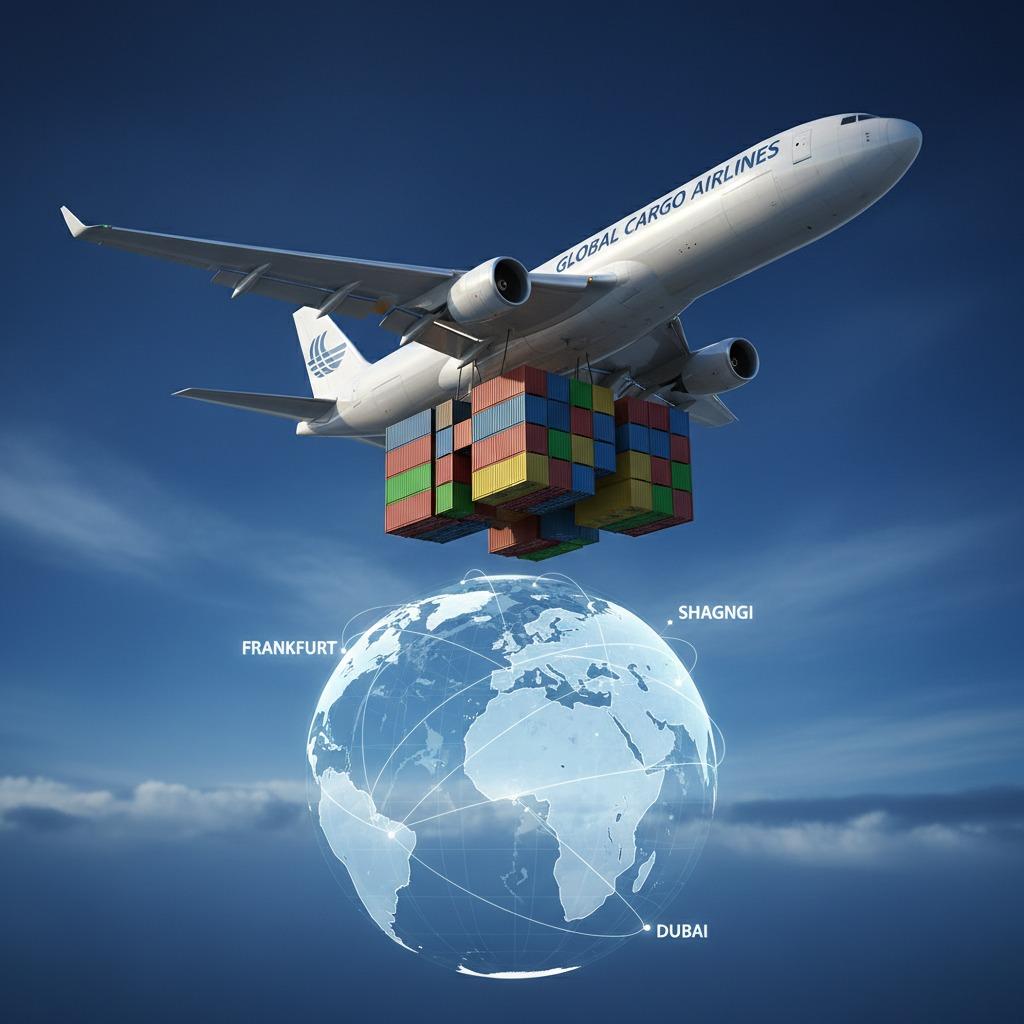
Freighter aircraft are vital for time-sensitive logistics, enabling rapid international shipping of high-value or perishable goods. These advanced planes, like those from Global Cargo Airlines, feature aerodynamic designs that boost fuel efficiency and cargo capacity, transporting vast container arrays across hubs such as Frankfurt, Shanghai, and Dubai. With powerful engines and innovative undercarriage systems, they accommodate various container sizes, ensuring secure and punctual deliveries regardless of distance. In logistics, air freight complements slower sea or road options, ideal for urgent needs like medical supplies or fashion items. This mode reduces overall supply chain timelines, helping businesses respond quickly to market changes and maintain inventory levels without overstocking.
How Do Modern Trucks Enhance Ground Logistics?
Trucks form the arteries of domestic logistics, bridging gaps between warehouses, ports, and final destinations with reliability and precision. Sleek, modern trucks with aerodynamic builds and fuel-efficient engines handle long hauls and urban deliveries alike, featuring advanced safety systems, LED lighting, and ergonomic cabs for driver comfort. In logistics, they integrate seamlessly with GPS navigation to optimize routes, cutting fuel costs and emissions. For heavy-duty transport, these vehicles support container loading, ensuring goods move efficiently from distribution centers to retailers. Their role in last-mile logistics is particularly impactful, where timely arrivals directly influence customer experience and business success.
What Are Common Challenges in Logistics and How to Overcome Them?
Logistics faces hurdles like supply chain disruptions, rising costs, and regulatory compliance, often exacerbated by global events or environmental factors. To overcome these, businesses adopt integrated software for real-time tracking, predictive analytics for demand forecasting, and sustainable practices like electric trucks or optimized routing. Collaborating with specialized providers ensures resilience, while diversifying transport modes—combining air, sea, and road—mitigates risks. Training staff on efficient handling of tools like stackable containers also boosts productivity. Ultimately, proactive logistics strategies turn challenges into opportunities for innovation and growth.
How Can Businesses Improve Their Logistics Operations?
Improving logistics starts with assessing current processes to identify bottlenecks, then investing in technology like automation for sorting and AI for route planning. Partnering with reliable carriers, such as those offering advanced freighters or durable trucks, ensures scalability. Emphasizing sustainability through eco-friendly containers and fuel-efficient vehicles not only cuts costs but also appeals to environmentally conscious consumers. Regular audits and employee training further refine operations, leading to faster, cheaper, and more reliable supply chains. By focusing on these areas, businesses can achieve a competitive edge in the dynamic world of logistics.





