
A Comprehensive Guide to Modern Logistics: Streamlining Global Supply Chains
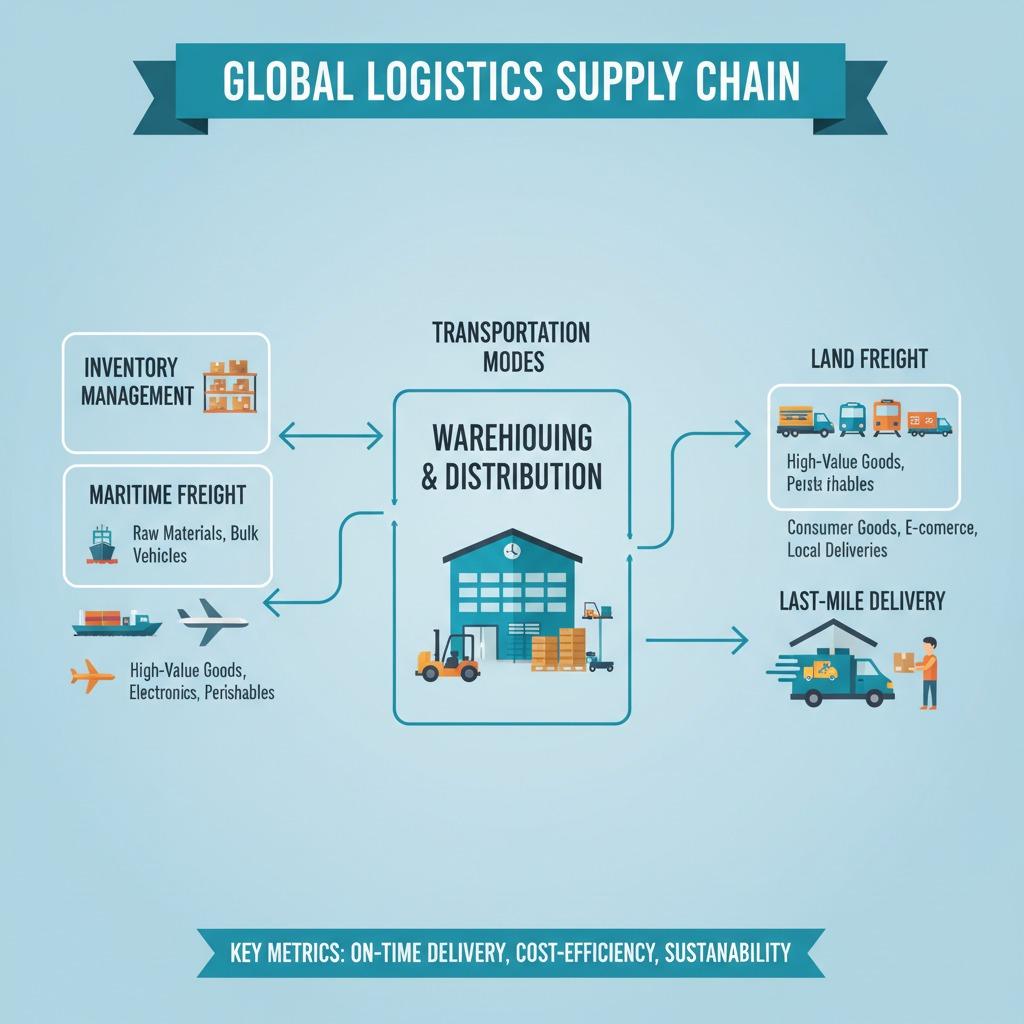
In today's fast-paced business environment, mastering logistics is essential for any company aiming to thrive in global trade. Logistics encompasses the intricate process of planning, implementing, and controlling the efficient flow and storage of goods, services, and related information from origin to consumption. This guide will walk you through the fundamentals of effective logistics management, highlighting innovative solutions that blend maritime, air, and land transportation to optimize your operations.
Understanding the Basics of Logistics
To begin your journey in logistics, start by assessing your current supply chain needs. Identify key elements such as inventory management, transportation modes, and warehousing requirements. For instance, evaluate the volume of goods you handle and the timelines involved. A solid foundation in logistics involves mapping out your supply chain to pinpoint bottlenecks. Use tools like software for tracking and analytics to gain visibility. Next, categorize your shipments—bulk goods might suit maritime options, while time-sensitive items benefit from air freight. By understanding these basics, you'll lay the groundwork for a resilient logistics strategy that minimizes costs and delays.
Implementing Dual-Mode Transportation in Logistics
One of the most effective ways to enhance logistics is by adopting a dual-mode transportation approach, combining the strengths of maritime shipping and air freight. Begin by selecting a reliable provider that offers seamless integration between these modes. For maritime logistics, choose vessels equipped with advanced cranes for efficient loading and unloading of containers, ensuring quick turnaround at ports. These ships, with their robust hulls and high-capacity storage, are ideal for handling diverse cargo like raw materials or consumer products. Transition to air freight for urgent deliveries; modern aircraft with fuel-efficient designs provide speed and precision, connecting global hubs rapidly. To implement this, integrate tracking systems that allow real-time monitoring across both modes. Coordinate schedules to avoid idle time—ship bulk via sea and airlift high-value items. This hybrid model, as seen in innovative solutions fusing oceanic capacity with aerial agility, ensures reliability without excessive costs. Test small-scale pilots to refine your process, adjusting based on performance metrics like delivery times and error rates.
Leveraging Ground Transportation for Last-Mile Logistics
Complementing sea and air, ground transportation via heavy-duty trucks is crucial for last-mile logistics delivery. Start by investing in vehicles with high-load capacity and aerodynamic designs to maximize efficiency on roads. Ensure compatibility with standardized containers from partners like Maersk, facilitating smooth transfers from ports or airports. Key steps include route optimization using GPS software to reduce fuel consumption and emissions, and incorporating safety features like advanced braking systems for high-traffic navigation. Train your team on proper loading techniques to prevent damage and maintain schedules. For industries such as e-commerce and manufacturing, this setup supports scalable operations. Regularly maintain your fleet to uphold durability, and integrate IoT sensors for predictive upkeep. By focusing on versatile freight systems, you'll achieve a cohesive logistics network that supports end-to-end visibility and customer satisfaction.
Optimizing Logistics with Technology and Best Practices
To elevate your logistics game, incorporate cutting-edge technology and best practices. Begin with automation tools on cargo vessels, such as navigation systems and communication protocols, to streamline port operations and ensure compliance with international standards. For air and ground modes, deploy AI-driven forecasting to predict demand and adjust inventory accordingly. Establish clear protocols for multi-modal handoffs, minimizing risks during transfers. Sustainability is key—opt for fuel-efficient options across all transport types to reduce your carbon footprint. Monitor key performance indicators (KPIs) like on-time delivery rates and cost per shipment, using data to iterate improvements. Partner with global shipping leaders to access branded solutions that guarantee quality. Finally, conduct regular audits to adapt to market changes, ensuring your logistics framework remains agile and competitive. This holistic approach not only boosts efficiency but also positions your business for long-term success in the dynamic world of global commerce.
By following these steps, you'll transform logistics from a challenge into a strategic advantage, driving growth and reliability in your operations.





