
Unlocking the Power of Modern Logistics
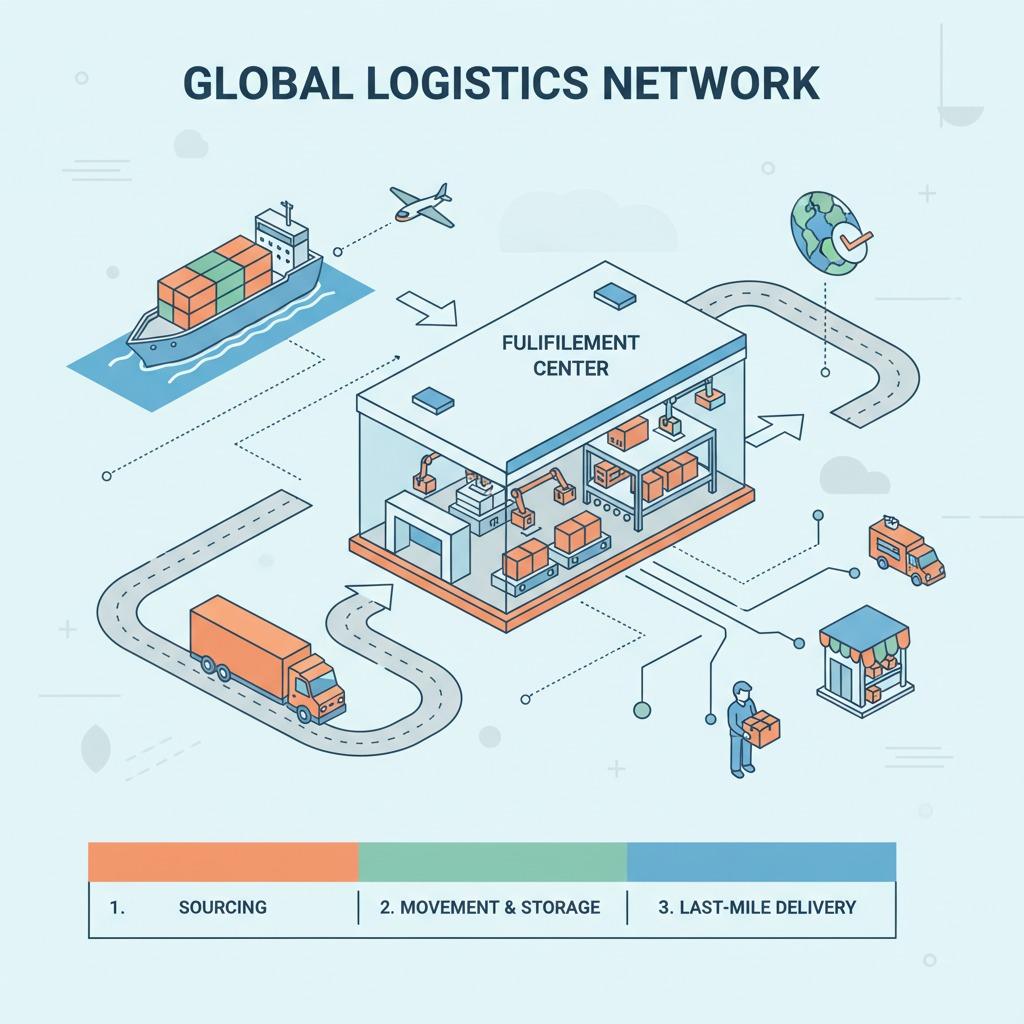
In the fast-paced world of global trade, logistics stands as the invisible force that keeps economies humming. It's the art and science of moving goods from point A to point B with precision, efficiency, and reliability. At its core, logistics encompasses everything from planning and sourcing to transportation and delivery, ensuring that products reach consumers in pristine condition. Whether it's a sleek container ship slicing through ocean waves or an aircraft soaring across continents, effective logistics binds the world together, turning distant dreams into tangible realities on our doorsteps.
The Marvels of Maritime Logistics: Container Ships in Action
Picture a colossal modern container ship, like those from COSCO Shipping, gliding effortlessly across vast oceans, its deck a vibrant mosaic of stacked containers in every hue imaginable. This behemoth of logistics isn't just a vessel; it's a floating warehouse capable of carrying thousands of TEUs—twenty-foot equivalent units—stacked high with everything from electronics to perishables. The ship's streamlined hull cuts through water with minimal resistance, powered by advanced propulsion systems that optimize fuel use and reduce environmental impact. Safety features, including state-of-the-art navigation and stabilization tech, allow it to brave storms and congested ports alike, ensuring cargo arrives undamaged. In the realm of logistics, these ships exemplify how innovation transforms bulk transport into a symphony of efficiency, connecting manufacturers in Asia to markets in Europe without missing a beat.
Sky-High Efficiency: The Role of Air Freight in Logistics
High above the clouds, air freight represents the pinnacle of speed in logistics. Imagine a cutting-edge aircraft, its aerodynamic frame loaded with high-value cargo, racing against time to deliver urgent shipments worldwide. These planes boast massive payload capacities, allowing them to whisk time-sensitive goods like pharmaceuticals or fashion items across continents in mere hours. Onboard, advanced tracking systems provide real-time updates, while climate-controlled holds protect delicate items from temperature fluctuations. In logistics, air transport isn't just about velocity; it's about reliability, with optimized flight paths and quick turnarounds that minimize delays. For businesses relying on just-in-time inventory, this mode of logistics ensures that supply chains remain agile, turning potential bottlenecks into seamless flows and giving companies a competitive edge in a global marketplace.
Integrated Logistics: From Factory Floor to Front Door
True logistics shines brightest when integrated across multiple modes, creating a fluid journey from raw materials to end consumers. Envision the process starting at the source, where raw inputs are gathered and shuttled via rail and trucks to bustling production hubs. Here, automated systems transform these basics into finished products, ready for the next phase. Multi-modal transportation takes over: container ships handle oceanic legs for bulky loads, air freight zips high-priority items, and rail or trucking bridges the gaps domestically. At ports, powerful reach stackers unload and sort, feeding into distribution centers where IoT devices track every movement. Drones even swoop in for last-mile deliveries in urban jungles, ensuring packages land precisely where needed. This holistic approach to logistics leverages data analytics for route optimization, cutting waste and emissions while boosting speed. It's a vivid tapestry of technology and human ingenuity, where each thread—from sensors monitoring inventory to AI predicting demand—weaves a stronger, more resilient supply chain.
Why Logistics Matters More Than Ever
In today's interconnected world, logistics isn't merely operational—it's strategic. As global trade volumes surge, the demand for smarter, greener solutions grows. Companies embracing advanced logistics see reduced costs, happier customers, and smoother operations. From the thunderous hum of a container ship's engines to the whisper of a drone's rotors, every element contributes to a narrative of progress. By prioritizing innovation, businesses can navigate challenges like supply disruptions or regulatory shifts with grace. Ultimately, mastering logistics means not just moving goods, but propelling economies forward, one efficient delivery at a time. Whether scaling up for e-commerce booms or fine-tuning for sustainability, the future of logistics promises a world that's smaller, faster, and more connected than ever.





